


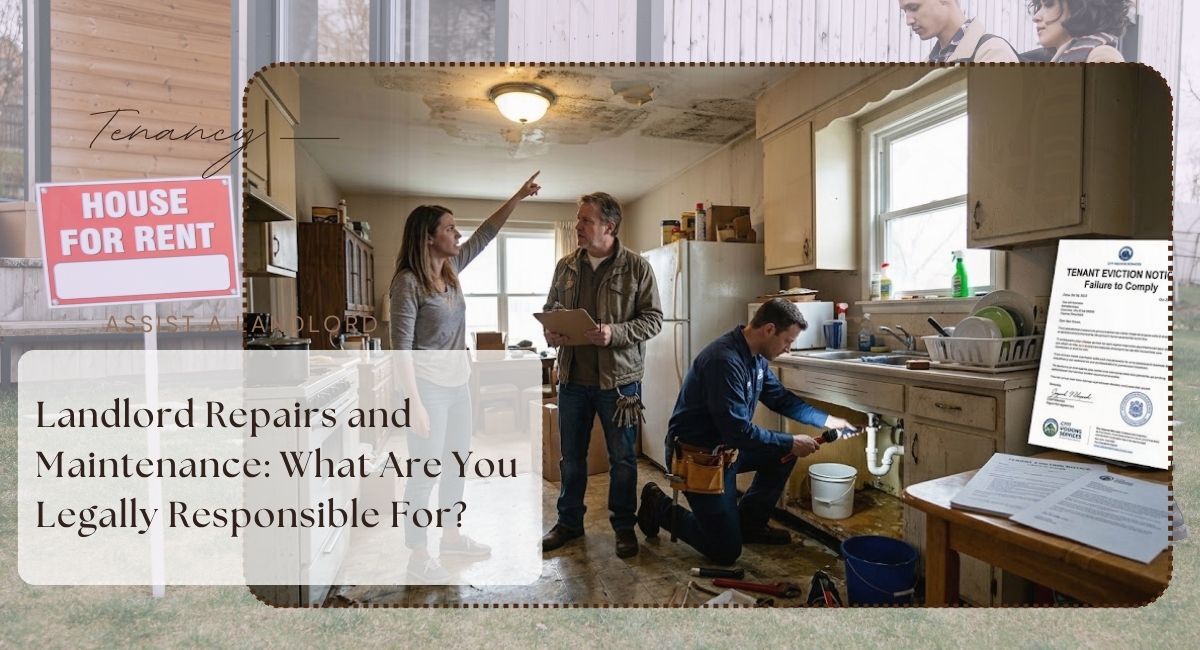
Landlord Repairs and Maintenance: What Are You Legally Responsible For?
It is a cold Sunday in January. Your tenant rings to say the boiler has stopped working, there is no hot water, and two young children are in the house. You own the property, you collect the rent, and you are not sure whether this is an emergency you must fix today or a job that can wait until the engineer is free on Wednesday.
Questions like this come up for almost every landlord. The answer depends on what has broken, what the tenancy agreement says, what the law requires, and how quickly you act once you know about the problem. Get it right and you protect your tenant, your property and your reputation. Get it wrong and you risk a council enforcement notice, a disrepair claim, a fine, or a tenant who stops paying rent.
This guide sets out the repair and maintenance duties of private landlords in England. It covers the main statutes, a category-by-category breakdown of who does what, realistic timescales, how tenants should report problems, and the situations where responsibility can shift. The rules in Scotland, Wales and Northern Ireland are different, so check local guidance if your property is outside England.
Why Repair Duties Matter More Than Many Landlords Expect
Repairs are one of the most common sources of friction in a tenancy. A leaking roof that is left for weeks becomes damp. Damp becomes mould. Mould becomes a health complaint, and a health complaint can become a local authority inspection. At each step, the cost to the landlord rises.
Repairs also connect to other parts of the tenancy. Tenants who feel ignored may stop paying rent, and a court will look at whether the landlord kept the property in good order before deciding how much weight to give a rent claim. A piece on how poor property condition contributes to rent arrears describes how this cycle starts and how landlords can break it early.
There is also a financial case. Planned maintenance is nearly always cheaper than emergency repairs. A gutter cleared in autumn costs very little. A collapsed ceiling in winter does not.
The Legal Framework in Plain Terms
Several laws work together to set out what a landlord must do. You do not need to memorise every section, but you should know what each one covers.
Landlord and Tenant Act 1985, Section 11
Section 11 of the Landlord and Tenant Act 1985 applies to most tenancies of less than seven years. It requires the landlord to keep in repair the structure and exterior of the property. That includes the roof, walls, foundations, drains, gutters and external pipes, as well as windows and external doors. It also covers the installations for supplying water, gas and electricity, for sanitation such as toilets and basins, and for space heating and heating water.
Two points are worth stressing. First, a landlord cannot contract out of these duties through the tenancy agreement. A clause that tries to pass them to the tenant is generally of no effect. Second, the duty applies once the landlord knows about the problem. A tenant must tell you about a defect, although in practice a landlord who knew or should reasonably have known is treated as being on notice.
Homes (Fitness for Human Habitation) Act 2018
This Act added Section 9A to the 1985 Act. It requires a rented home to be fit for human habitation at the start of the tenancy and throughout it. Fitness is judged against factors similar to those used in the Housing Health and Safety Rating System, such as damp, cold, lack of natural light, poor ventilation, unsafe layout, fire risk and problems with water supply.
The Act gives tenants a direct right to take a landlord to court for breach, even if the local council has not acted. A court can order repairs and award damages. The landlord is not liable if the problem was caused by the tenant’s own failure to use the home in a tenant-like manner, or by events outside the landlord’s control that a reasonable landlord could not have prevented.
Housing Act 2004 and the HHSRS
The Housing Act 2004 introduced the Housing Health and Safety Rating System, known as HHSRS. It lists twenty-nine hazards, including damp and mould, excess cold, fire, electrical hazards and structural collapse. A local council can inspect a property and rate each hazard. If a serious hazard is found, the council must act, and it has powers to serve improvement notices, prohibition orders and, in some cases, to carry out works itself and charge the landlord. Councils can also impose civil penalties of up to £30,000 for certain breaches.
Specific Safety Regulations
Separate rules deal with specific systems. The Gas Safety (Installation and Use) Regulations 1998 require an annual gas safety check by a Gas Safe registered engineer. The Electrical Safety Standards in the Private Rented Sector (England) Regulations 2020 require fixed electrical installations to be inspected at least every five years. The Smoke and Carbon Monoxide Alarm (England) Regulations 2015, as amended, require working smoke alarms on each storey and carbon monoxide alarms in rooms with a fixed combustion appliance, apart from gas cookers. We cover each of these in more detail below.
Tenancy Agreement Terms
Your agreement can add detail, such as how repairs should be reported and who looks after the garden. It cannot reduce the duties set by law. A well-drafted agreement should match the legal position and make the process clear for both sides.
Repair Responsibilities by Category
The simplest way to work through this subject is by category. The table below gives a quick overview, and the sections that follow add detail.
| Area | Landlord responsibility | Tenant responsibility |
|---|---|---|
| Structure and exterior | Roof, walls, foundations, gutters, external doors and windows | Report defects promptly |
| Plumbing and sanitation | Pipes, taps, toilets, baths, basins, drains | Clear minor blockages caused by use |
| Heating and hot water | Boiler, radiators, immersion heater, controls | Bleed radiators if shown how, report faults |
| Gas | Annual safety check, repair of appliances provided | Allow access, report smells or faults |
| Electrical | Fixed wiring, sockets, consumer unit, five-year inspection | Change bulbs, report faults |
| Appliances supplied | Repair or replace if included in the let | Use correctly, report faults |
| Damage caused by tenant | Not responsible where tenant or visitors caused it | Pay for repair or replacement |
Structure and Exterior
Roofs, chimneys, walls, foundations, floors, stairs, windows, external doors, gutters and drainpipes all fall within the landlord’s duty. If slates are missing or a gutter overflows and causes water to enter the building, the landlord must act. The same applies to cracked render that lets in rain, rotten window frames and failing lintels.
Landlords in flats or shared buildings need to check the lease. Structural work on the building may be the freeholder’s or management company’s job, but the landlord is still the tenant’s point of contact. A landlord who simply says “it is the freeholder’s responsibility” does not remove their own duty to chase the matter and keep the tenant informed.
Plumbing and Sanitation
The landlord must keep in repair the pipes and installations that supply water and deal with waste. That includes taps, toilets, baths, showers, basins and the drains serving them. A leaking pipe, a cracked toilet cistern or a failed shower unit is the landlord’s responsibility unless the tenant caused the damage.
Blocked sinks or toilets can be more complicated. A blockage caused by ordinary use, such as a worn pipe, is usually the landlord’s problem. A blockage caused by a tenant flushing wipes or pouring fat down a drain may be the tenant’s cost. The difference often comes down to evidence, so photographs and plumber’s notes are useful.
Heating and Hot Water
The landlord must keep in repair the installations for space heating and heating water. This covers boilers, radiators, pipework, thermostats, immersion heaters and storage tanks. Loss of heating or hot water is treated as urgent, especially in winter or where vulnerable people live in the property. HHSRS guidance treats excess cold as a serious hazard.
Gas Safety
Gas safety is one of the strictest areas. A Gas Safe registered engineer must check every gas appliance and flue supplied by the landlord at least every twelve months. The landlord must give the tenant a copy of the gas safety record within twenty-eight days of the check, and to new tenants before they move in. Records must be kept for at least two years.
Tenants who smell gas should leave the property and call the National Gas Emergency number, 0800 111 999. Tenants should not be left to manage a suspected leak alone. Failing to carry out gas safety checks can lead to prosecution, unlimited fines and, in the worst cases, imprisonment, and a landlord cannot rely on a tenant’s failure to allow access without showing that they made repeated, documented attempts to arrange it.
Electrical Safety
Since 2020, private landlords in England must have the fixed electrical installation inspected and tested by a qualified person at least every five years. The resulting report, called an Electrical Installation Condition Report, must be given to the tenant within twenty-eight days and to the local authority on request. Any urgent or potentially dangerous defects identified must be fixed within twenty-eight days, or sooner if the report says so.
Portable appliances that you supply, such as a kettle or a lamp, are not specifically covered by the five-year rule, but you have a general duty to keep the home safe. Many landlords carry out portable appliance testing each year to show that they have taken reasonable care.
Smoke and Carbon Monoxide Alarms
You must fit at least one working smoke alarm on each storey of the property used as living accommodation. A carbon monoxide alarm is required in any room with a fixed combustion appliance, such as a boiler, wood burner or oil heater. Gas cookers are exempt. Alarms must be tested on the first day of the tenancy. After that, tenants are usually asked to test them regularly and report faults, but the landlord should check them at each inspection. A related guide on fire safety compliance for rental properties goes through the checklist in more depth.
Appliances and Furnishings
Appliances supplied as part of the let, such as a cooker, fridge or washing machine, are covered by the terms of your agreement and by the general duty to keep the home safe. There is no automatic statutory duty to repair a washing machine in the way there is for a boiler. Even so, if you include an appliance in the inventory and advertise the property as furnished, tenants expect it to work. A clear clause stating who repairs and replaces appliances avoids arguments. A comparison of the pros and cons of furnishing your rental property may help you decide how much to supply.
Damp, Mould and Condensation
Damp and mould are now one of the most closely watched issues in rented housing. Landlords must deal with causes that are part of the building, such as a leaking roof, rising damp, failed damp-proofing or defective guttering. Tenants are expected to manage ordinary condensation by ventilating, using extractor fans and drying clothes sensibly.
The line between the two is not always clear. A property with no effective ventilation, poor insulation and a faulty extractor fan may develop condensation mould even if the tenant behaves reasonably. In that case, the landlord is likely to be responsible for fixing the underlying problem. Awaab’s Law, which now applies in social housing, sets strict timescales for investigating and fixing damp and mould, and the government has said it intends to bring similar standards into the private sector. The article on Awaab’s Law and the Decent Homes Standard explains what this may mean for private landlords.
Tenant Damage and Wear and Tear
A landlord is not responsible for damage caused by the tenant, their family or their visitors. If a tenant breaks a window, cracks a basin or burns a worktop, they should pay to put it right. Ordinary wear and tear is different. Faded paint, worn carpets and minor marks from normal living are expected and are not chargeable to the tenant. Where the line falls can be debated, so good documentation is essential. A useful guide on tenant damage to property and what landlords can legally claim sets out the rules and the evidence you will need.
What Tenants Are Responsible For
Tenants have duties too. The law expects them to use the property in a tenant-like manner. In practice, that means using the home carefully, keeping it reasonably clean, reporting defects promptly and not causing damage.
Typical tenant tasks include changing light bulbs, replacing batteries in smoke alarms if the agreement says so, keeping drains clear of waste such as grease, ventilating rooms to reduce condensation and looking after gardens if the agreement requires it. Tenants should also allow access for repairs and inspections, provided the landlord gives proper notice.
Landlords cannot assume tenants know what is expected. A short “home care” sheet given at the start of the tenancy can explain how to use the heating, where the stopcock is, how to bleed a radiator and how to report a problem. It reduces avoidable callouts and gives you a record that the tenant was informed.
How Quickly Must a Landlord Make Repairs?
The law does not set exact deadlines for most repairs in private rentals. The Landlord and Tenant Act 1985 requires repairs within a reasonable time after the landlord is told. What counts as reasonable depends on the urgency and risk. A gas leak is not comparable to a dripping tap.
Even though the law gives no fixed timetable, courts and councils use the nature of the hazard to judge whether you were prompt. The table below gives practical benchmarks many landlords and agents use. These are guides, not statutory deadlines.
| Type of problem | Examples | Practical response time |
|---|---|---|
| Emergency | Gas leak, major flooding, electrical danger, no heating in winter with vulnerable occupants | Same day, often within hours |
| Urgent | No hot water, broken boiler, failed toilet, insecure external door | Within one to three days |
| Routine | Dripping tap, loose handle, minor plaster damage | Within two to four weeks |
| Planned | Redecoration, non-urgent upgrades | Agreed schedule |
If a repair will take longer, for example because parts must be ordered, tell the tenant. A short message giving a date is usually enough to keep the relationship calm and to show that you are taking the matter seriously. Where heating or hot water has failed, offering a temporary heater or alternative arrangements helps.
Reporting Procedures That Protect Both Sides
A clear process makes life easier for tenants and helps landlords prove they acted. Set it out in your agreement or welcome pack.
Make Reporting Simple
Give tenants one or two ways to report problems, such as a named email address and a phone number for emergencies. If you use a letting agent, state the agent’s contact details and out-of-hours number. Ask tenants to include photos and a short description.
Log Every Report
Keep a repairs log with the date reported, what was reported, who was contacted, when the tradesperson attended and when the work was done. Keep invoices and any photographs. A disrepair claim often turns on dates. If your log shows you acted within a reasonable time, you are in a far stronger position.
Give Proper Notice Before Entering
Landlords have a right to enter the property to inspect and carry out repairs, but they must give at least twenty-four hours’ written notice and arrange a reasonable time. Entering without permission can breach the tenant’s right to quiet enjoyment and, in some cases, amount to harassment. In a real emergency, such as a burst pipe, you may enter without notice if you cannot reach the tenant, but document why.
Use Trusted Contractors
Use qualified trades, such as Gas Safe engineers for gas and registered electricians for electrical work. Keep certificates. An unqualified repair can leave you liable if it fails, and it may invalidate your insurance. Reliable contractors also make it easier to respond quickly, and the guidance on essential maintenance tips for rental properties suggests a yearly schedule that keeps small jobs from becoming big ones.
When Responsibility Can Differ
The general rules apply to most lets, but some situations change who is responsible.
Long Tenancies
Section 11 applies to tenancies of less than seven years. If you grant a longer lease, the repair duties may be set by the lease itself. Most residential tenancies are well below that length, so this mostly affects leasehold arrangements.
Flats, Leasehold and Shared Areas
In a block, the freeholder or management company often deals with the structure, roof and communal areas, funded by service charges. As the landlord, you still need to chase repairs that affect your tenant’s home. Keep copies of correspondence with the managing agent.
Houses in Multiple Occupation
Landlords of HMOs have extra duties. The Management of Houses in Multiple Occupation (England) Regulations 2006 require them to keep shared areas clean and in good repair, maintain fire safety measures, and provide adequate waste facilities. Licensing conditions can also set extra repair standards.
Tenant-Caused Problems
Where the tenant, a guest or a pet causes damage, the tenant is responsible. You will need evidence, such as inventory photographs, check-in and check-out reports, contractor notes or messages showing the tenant admitted the cause.
Improvements Requested by Tenants
Tenants sometimes ask for improvements, such as a new shelf, redecoration or a garden shed. These are not repairs. You are not obliged to agree, although you must not unreasonably refuse changes that relate to a disability. Put any agreement in writing. A guide on managing mid-tenancy improvement works permissions outlines how to handle these requests.
Furnished Versus Unfurnished
If you let a property furnished, repair and replacement of furniture and appliances tends to be a bigger part of the conversation. Unfurnished lets usually involve fewer items but the same structural and safety duties.
What Happens If a Landlord Fails to Repair
Tenants have several routes if repairs are not done. Understanding them helps you see the risks of delay and respond in the right way.
The first step is usually to contact the landlord. If nothing happens, the tenant can contact the local council’s environmental health department, which can inspect and use HHSRS powers. The GOV.UK guidance on repairs in private renting sets out these steps from the tenant’s point of view, and it is worth reading to see what tenants are told.
Tenants can also bring a claim in the county court under the Landlord and Tenant Act 1985 or the Homes (Fitness for Human Habitation) Act 2018. A court can order the landlord to carry out the work and award compensation for discomfort, damaged belongings or lost rent. Some tenants may try to deduct repair costs from rent. That is risky for the tenant and does not remove the landlord’s right to seek unpaid rent, but a court will weigh a documented disrepair claim when considering arrears.
Rent Withholding and Arrears
Repairs and rent are often linked in disputes. A tenant who stops paying because a repair was ignored is still legally in arrears, but the landlord may face a counterclaim. If you are dealing with a tenant who has stopped paying rent, send a clear rent arrears letter and deal with any genuine repair issue at the same time, so the two matters are not muddled in the tenant’s mind or in court.
Possession Claims and Complaints
Serving a possession notice soon after a repair complaint can look retaliatory. Since 1 May 2026, private landlords in England must rely on a valid ground when serving a Section 8 notice, and courts will look carefully at the timing and the landlord’s conduct. If you plan to seek possession for a genuine reason, such as serious rent arrears, keep your records clear and use a correctly completed Section 8 notice. Take advice if a possession claim follows a repair complaint.
Recovering the Cost of Tenant Damage
When a tenant causes damage, recovering the cost is a separate process from repairing the property. Start by fixing the problem so the home stays safe. Keep the damaged item if possible, take photographs, obtain quotes or invoices, and compare the condition against your inventory. Then write to the tenant explaining what happened and what you are claiming.
You can apply the deposit towards the cost at the end of the tenancy, following the deposit scheme’s rules. If the damage exceeds the deposit, or the tenant has left without paying, a formal debt collection request may help recover the balance without going straight to court. Always allow for fair wear and tear and for the age of the item. Claiming the full cost of a ten-year-old carpet is likely to be rejected.
Planning Maintenance to Avoid Emergencies
The best repair strategy is prevention. A simple annual plan can reduce emergency callouts and help you meet your legal duties.
- Service the boiler and renew the gas safety record every year.
- Clear gutters and check the roof in autumn.
- Test smoke and carbon monoxide alarms at every visit.
- Check for leaks under sinks and around baths.
- Keep the electrical inspection report current.
Schedule inspections every six months, with proper notice, and keep short written notes and photographs. A guide on dealing with unexpected property maintenance costs shows how to budget so that a sudden bill does not cause a crisis. A sensible rule is to set aside a proportion of annual rent for maintenance, then adjust based on the age and condition of the building.
Insurance also matters. Landlord buildings insurance typically covers structural damage from events such as fire and flood, while contents and liability policies can cover furnishings and claims from tenants. Read the exclusions. Some policies require regular property checks or qualified tradespeople for certain work.
A Short Scenario
Consider a landlord whose tenant reports a small patch of damp on a bedroom wall in October. The landlord sends a handyman, who paints over it. By January the patch has grown, and the tenant reports mould on clothes. The landlord blames condensation. The tenant contacts the council, and an officer finds a leaking gutter above the wall and a blocked air vent. The landlord must now carry out repairs under an improvement notice, pay for a survey and possibly compensate the tenant.
If the landlord had investigated the cause in October, cleared the gutter and cleaned the vent, the total cost would have been small. The difference came from treating the symptom rather than the cause and from not recording the visit.
Clear Duties, Prompt Action, Good Records
Landlord repair obligations come down to three practical habits. Know the legal duties that apply to your property. Respond quickly and in proportion to the risk. Keep a written record of every report, visit and repair.
Start by checking that your gas safety record, electrical report and alarm tests are up to date. Then write a short process for reporting repairs and share it with every tenant. Review the building each year for roof, gutter, plumbing and heating issues, and set a maintenance budget. When a tenant reports a problem, acknowledge it the same day and give a date for the next step.
If a repair dispute turns into unpaid rent, a breach of the tenancy or a need to recover possession, getting expert guidance early can save time and cost. Tenant Eviction Specialist Birmingham, UK support from Assist a Landlord can help you with the notices, court papers and enforcement that follow, so you can protect your property and your income while staying within the law.
Sorry, the comment form is closed at this time.